Victoria's Midday Power Saver: 9 Appliances to Run Between 11am and 2pm
Victoria’s Midday Power Saver starts 1 October 2026. See which appliances you could shift into Victoria’s 11am–2pm free-usage window, plus what to consider before signing up.
From 1 October 2026, eligible Victorian households with a smart meter will be able to opt in to the Midday Power Saver, a regulated electricity offer with a $0/kWh usage period between 11am and 2pm every day, including weekends. Daily supply charges, electricity used outside the free power period and other applicable charges can still apply.
It's called the Midday Power Saver, and it's a genuine Victorian Government scheme, regulated by the Essential Services Commission (ESC) and reviewed annually (Victorian Government — Midday Power Saver).
It’s possible because Victoria now has more than 850,000 small-scale rooftop solar systems feeding the grid, and in 2025 renewables made up 44.6% of the state's electricity generation, well past the 2025 target of 40%.
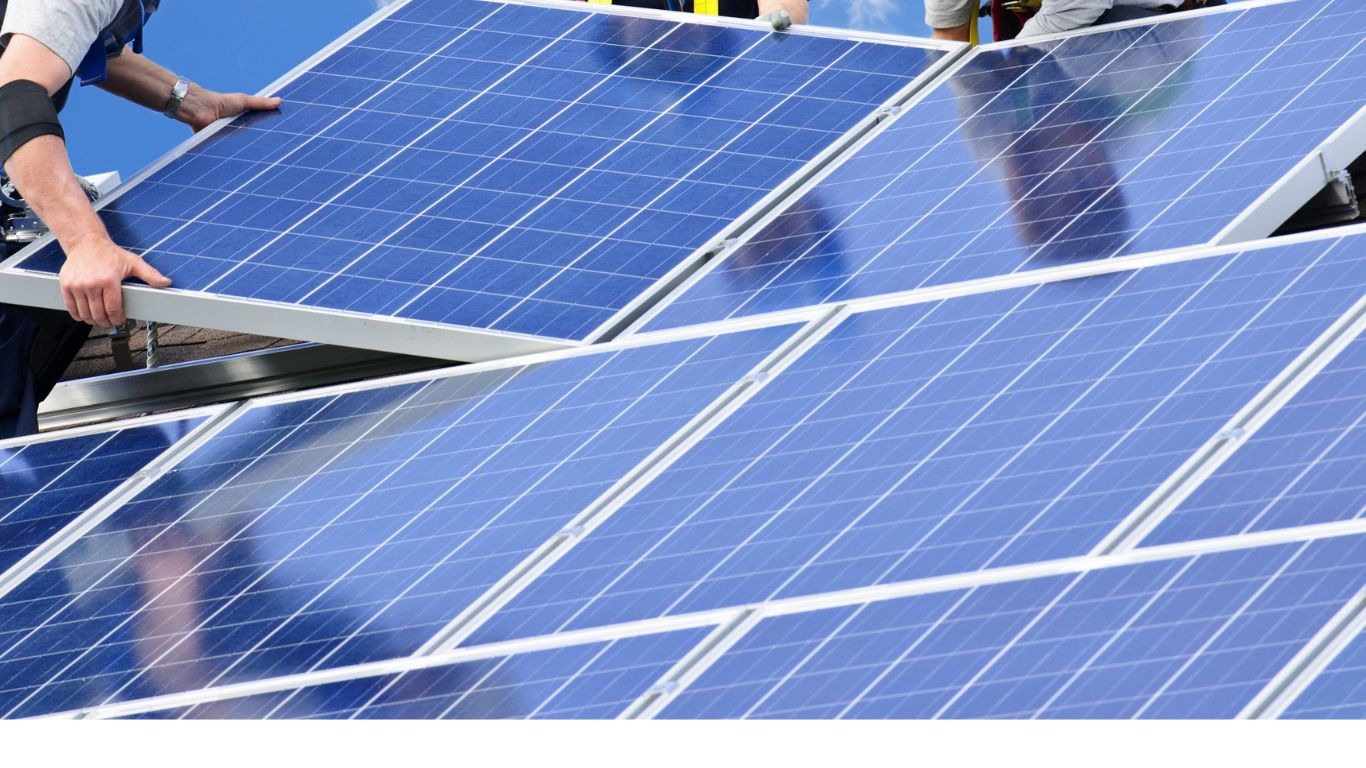
The Midday Power Saver is designed to help more households benefit from abundant midday solar generation, including households without their own rooftop solar (Victorian Government — Midday Power Saver).
What it actually is (and isn't)
It's opt-in. From 1 October 2026, you'll need to contact your electricity retailer and ask about it.
It's also not free for everyone by default: retailers with 1,000 or more customers will be required to make it available to eligible residential customers with a smart meter. You have to actively sign up. Under the current Midday Power Saver design, a fair-use cap will apply, and customers may be charged for electricity used above the cap during the free period. Check the final tariff terms with your retailer before signing up.
Before you sign up, your retailer will need to explain that the Midday Power Saver may not suit every household and provide information about the likely cost impact, including an estimated dollar impact where possible (Victorian Government — Midday Power Saver).
The trade-off: electricity prices outside the 11am–2pm window may be slightly higher under a Midday Power Saver plan than under a standard plan.
The government is explicit about this. How much you save will depend largely on how much electricity you can realistically shift into the free window, as well as the rates and charges that apply at other times. If you can't shift much, you could end up worse off (Victorian Government — Midday Power Saver).
Victorian Government modelling estimates that households could save between $149 and $428 a year, depending on their circumstances and assuming they shift between 5% and 30% of their electricity use into the free period. Its modelling estimates that households with an EV could save an additional $674 by shifting charging from peak periods, taking the estimated total to as much as $1,102 (Victorian Government — Midday Power Saver).
Victoria isn't the only jurisdiction introducing this type of tariff. The Australian Government's Solar Sharer Offer became available from July 2026 to eligible households in NSW, South Australia and south-east Queensland. Retailers with more than 1,000 customers in Default Market Offer areas must make the offer available to eligible households. Its free-usage window runs from 11am to 2pm in NSW and south-east Queensland and from 12pm to 3pm in South Australia, with up to 24 kWh of free electricity available during the window each day (energy.gov.au).
Victoria's Midday Power Saver is a similar state-regulated offer, with its own tariff design and consumer protections.
Who is eligible
You need a smart meter and must be a customer of a retailer with 1,000 customers or more.
The free window itself runs 11am to 2pm across all Victorian distribution zones, every day of the year, including weekends (Victorian Government — Midday Power Saver).
You're also protected once you sign up: there's a cooling-off period, no exit fees if you want to switch off the Midday Power Saver later, and existing protections continue to apply if you rely on life support equipment, are experiencing payment difficulty, or are affected by family violence (Victorian Government — Midday Power Saver).
9 appliances to run during your free 3 hours
This list is drawn directly from the Victorian Government's own guidance on getting the most out of the scheme — these are the appliance categories they specifically recommend shifting into the 11am–2pm window (Victorian Government — Midday Power Saver).
1. Dishwasher
If your dishwasher has a delay-start timer, you could load it earlier and schedule the cycle to run during the 11am–2pm free period. It’s a relatively simple way to shift electricity use you would otherwise need at another time. How much you save will depend on your appliance, usage and tariff. (Victorian Government — Midday Power Saver)
2. Washing machine
The same idea applies to your washing machine. If it has a built-in delay-start or scheduling function, you may be able to move suitable loads into the free period without needing to be home to start them manually. (Victorian Government — Midday Power Saver)
3. Clothes dryer
Clothes dryers can be energy-intensive, so suitable drying cycles may be worth shifting into the free period where practical. This could be particularly useful when line-drying isn’t an option, although the benefit will depend on your dryer, how often you use it and the rates that apply outside the free window. (Victorian Government — Midday Power Saver)
4. Hot water heat pump
The Victorian Government specifically identifies hot water heat pumps as a load that households may be able to shift. If your system has a built-in timer or scheduling function, you may be able to set some water heating to occur during the free period. Check your system settings and the manufacturer’s instructions before changing its schedule. (Victorian Government — Midday Power Saver)
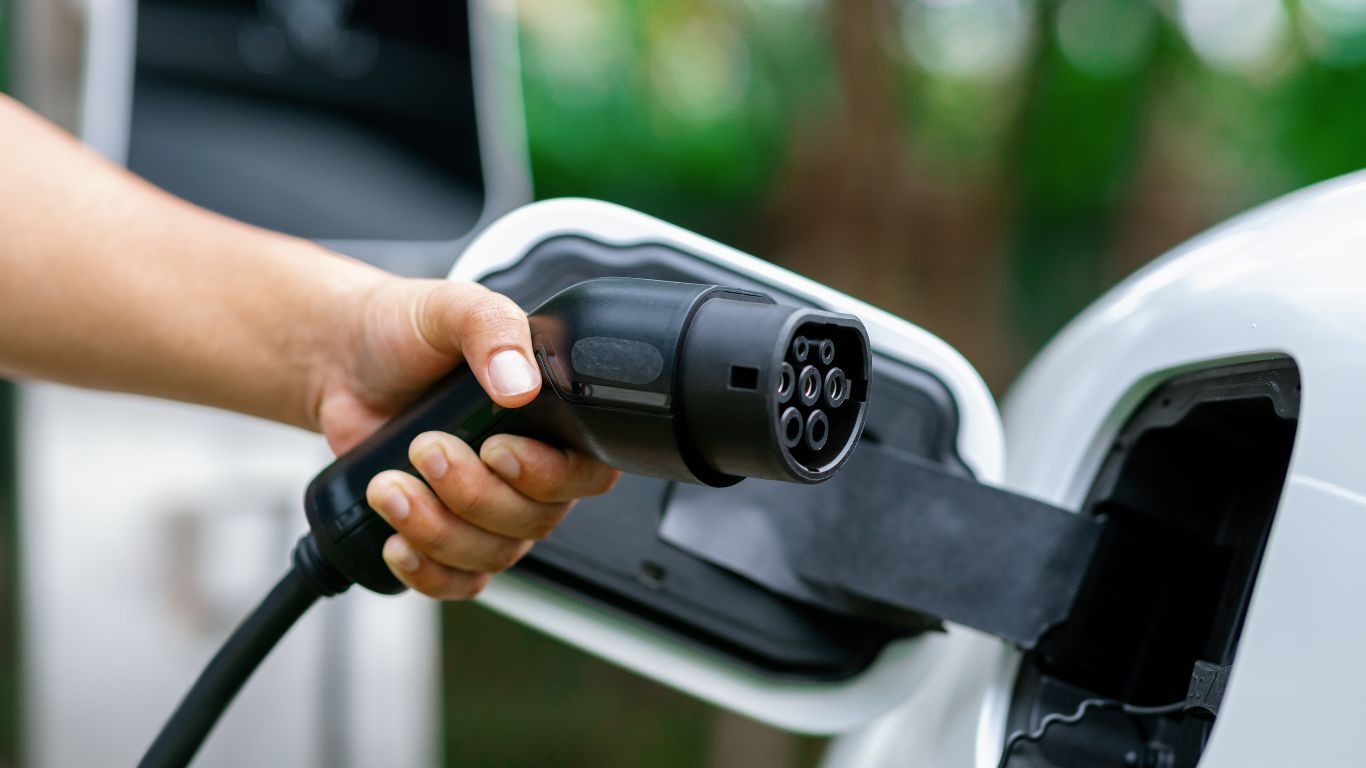
5. Electric vehicle charging
EV charging is one of the higher-potential opportunities identified in the Victorian Government’s modelling. Electricity used during the free period has a $0/kWh usage rate up to the applicable fair-use limit, although daily supply charges and other applicable charges can still apply.
Victorian Government modelling estimates that an EV household could save an additional $674 a year by shifting charging, taking its modelled total savings to as much as $1,102 a year. These are modelled estimates rather than guaranteed savings, and actual outcomes will depend on your usage, charging habits and tariff. (Victorian Government — Midday Power Saver)
6. Air conditioning
Heating and cooling can account for a substantial share of household energy use. If it suits your home and comfort needs, cooling your home during the free period may reduce how much cooling you need later in the day. The benefit will vary depending on your air conditioner, the weather and how well your home retains its temperature. (energy.gov.au — Heating and cooling; Victorian Government — Midday Power Saver)
7. Electric heating
A similar approach may work in winter. If your home retains heat reasonably well, pre-heating it to a comfortable temperature during the free period may reduce how much heating you need later in the day. How effective this is will depend on your heating system, your home’s insulation and your comfort needs. (Victorian Government — Midday Power Saver; energy.gov.au — Heating and cooling)
8. Pool pump and pool heating
The Victorian Government identifies pool pumps and pool heating as electricity use that some households may be able to shift into the free period. If your equipment can be safely scheduled and isn’t restricted by a controlled-load arrangement or other system settings, moving suitable operation into the 11am–2pm window may reduce what you pay to run it. (Victorian Government — Midday Power Saver)
9. Home battery charging
If you have a home battery, the free period may provide an opportunity to charge it for use later in the day, particularly at times when your rooftop solar generation is lower. Whether this makes sense for your household will depend on your battery and inverter settings, solar generation, electricity tariff and how you use stored energy. (Victorian Government — Midday Power Saver)
Make it automatic, not a chore
The government's own advice here is blunt and sensible: use the timer or delay-start function on your appliances so you're capturing the free window even when you're not home to manually switch things on. If you work from home, you've got it easier — you can just start things manually at 11am. If you don't, a $10–$20 smart plug on your dryer or hot water boost switch does the same job automatically.
Is it actually worth it for your household?
The key question is whether your household can realistically shift enough electricity use into the three-hour free period. The Midday Power Saver won't suit every household. If most of your electricity use happens at times you can't easily shift, another tariff may work out cheaper overall.
If your household is out all day and can't run appliances by timer, or if your biggest energy use is evening cooking and heating that simply can't move, a standard plan with lower rates across the board could easily work out cheaper, even with three "free" hours built in elsewhere.


